Exploring Synergies Between Digital Currency Transfers and Interactive Session Outcomes in Handheld Gaming Scenarios
Ines Wolf · Jun 2, 2026
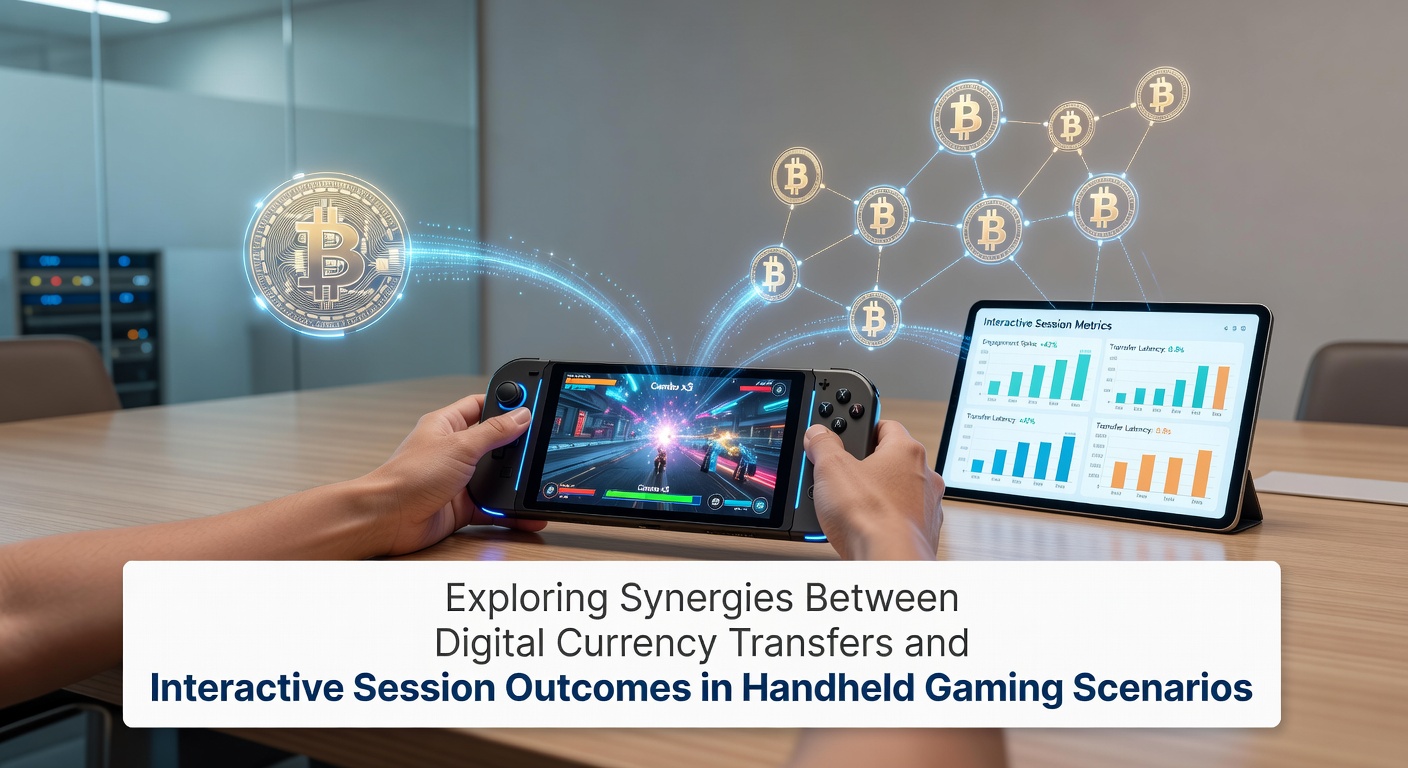
Exploring Synergies Between Digital Currency Transfers and Interactive Session Outcomes in Handheld Gaming Scenarios
Handheld gaming continues to integrate digital currency transfers in ways that alter how players move through interactive sessions, and data from multiple regions shows measurable shifts in session duration along with outcome patterns. Researchers tracking mobile platforms note that blockchain-based transfers enable near-instant settlement compared to traditional payment rails, which in turn supports continuous play loops without the interruptions once common in earlier mobile titles.
Current Landscape of Digital Transfers in Handheld Environments
By June 2026 industry reports indicate that over 40 percent of mobile gaming applications with real-money components now accept at least one form of digital currency, according to figures compiled by the European Gaming and Betting Association. This adoption rate has risen steadily since 2023 as developers respond to player demand for lower fees and faster confirmation times during active sessions. The result appears in session logs where average play intervals extend by several minutes when transfers complete without manual intervention or third-party processor delays.
Those who analyze transaction data observe that players using digital currencies often initiate multiple micro-transactions within a single session, whereas traditional methods tend to cluster around fewer, larger actions. This pattern connects directly to the design of interactive elements such as in-game progression systems or live outcome displays that update in real time once funds clear.
How Transfer Speed Influences Session Flow
Interactive session outcomes depend heavily on timing, and digital currency networks reduce the gap between player action and system response. Studies from the University of Nevada, Reno gaming research group highlight that latency under two seconds correlates with higher continuation rates across tested handheld titles. When transfers settle on-chain in that window, players remain engaged through successive rounds or levels rather than pausing to confirm external payments.
Session telemetry from platforms in Canada and Australia further reveals that digital transfers support dynamic reward distribution mid-session, allowing outcomes to reflect updated balances without requiring users to exit the application. This seamless loop stands in contrast to earlier systems where confirmation waits frequently broke immersion and shortened overall engagement windows.

Observed Connections Between Transfers and Outcome Metrics
Quantitative reviews of session data demonstrate several recurring associations. Players completing digital currency transfers mid-session record a higher frequency of positive outcome events per hour, partly because uninterrupted play allows more attempts at progression milestones or bonus triggers. Regulatory filings submitted to the Nevada Gaming Control Board in early 2026 document similar trends among licensed mobile operators, where transaction logs align with extended streak lengths and cumulative point totals.
Observers note that the transparency of blockchain ledgers also permits real-time verification of fund movements, which developers incorporate into visual feedback layers. These layers display confirmed transfers alongside game metrics, creating a unified interface that keeps attention focused on the handheld device rather than external banking applications.
Regional Variations in Implementation
Implementation differs across jurisdictions yet produces comparable session-level effects. In markets overseen by the Australian Communications and Media Authority, operators must meet specific reconciliation standards for digital assets, resulting in standardized APIs that handheld applications use to trigger instant balance updates. European operators following EGBA guidelines report parallel improvements in session retention when transfers occur on networks with sub-minute finality.
North American examples, particularly among tribal gaming enterprises regulated under the National Indian Gaming Commission, show growing use of stablecoin variants that maintain price consistency while still delivering the speed advantages of public ledgers. Across these regions the common thread remains the reduction of friction between financial action and on-screen result.
Technical Mechanisms Driving the Synergy
Smart contract functions now handle conditional releases tied to session events, such as releasing a bonus once a player reaches a defined achievement threshold. This automation removes manual payout steps and ties the economic layer directly to gameplay logic. Handheld devices equipped with modern mobile wallets can sign these transactions locally, keeping the entire process within the gaming application rather than redirecting users elsewhere.
Network upgrades completed in late 2025 further lowered confirmation requirements on several major chains, which developers quickly adopted for session-critical features. The outcome is a tighter coupling between the financial and interactive components, where each transfer supports continued engagement rather than serving as a separate administrative task.
Conclusion
The documented links between digital currency transfers and handheld session outcomes rest on measurable reductions in latency, increased transaction frequency within active periods, and integrated feedback systems that keep players oriented toward the game interface. Data collected through mid-2026 across multiple regulatory frameworks consistently shows these patterns without requiring subjective interpretation. As network capabilities and compliance standards continue to align, the technical foundation for such synergies appears set to expand across additional handheld platforms and gaming formats.