Instant Table Action Anywhere: Browser-Based Blackjack and Roulette Reshaping Mobile Play
Ines Wolf · Apr 18, 2026

Instant Table Action Anywhere: Browser-Based Blackjack and Roulette Reshaping Mobile Play
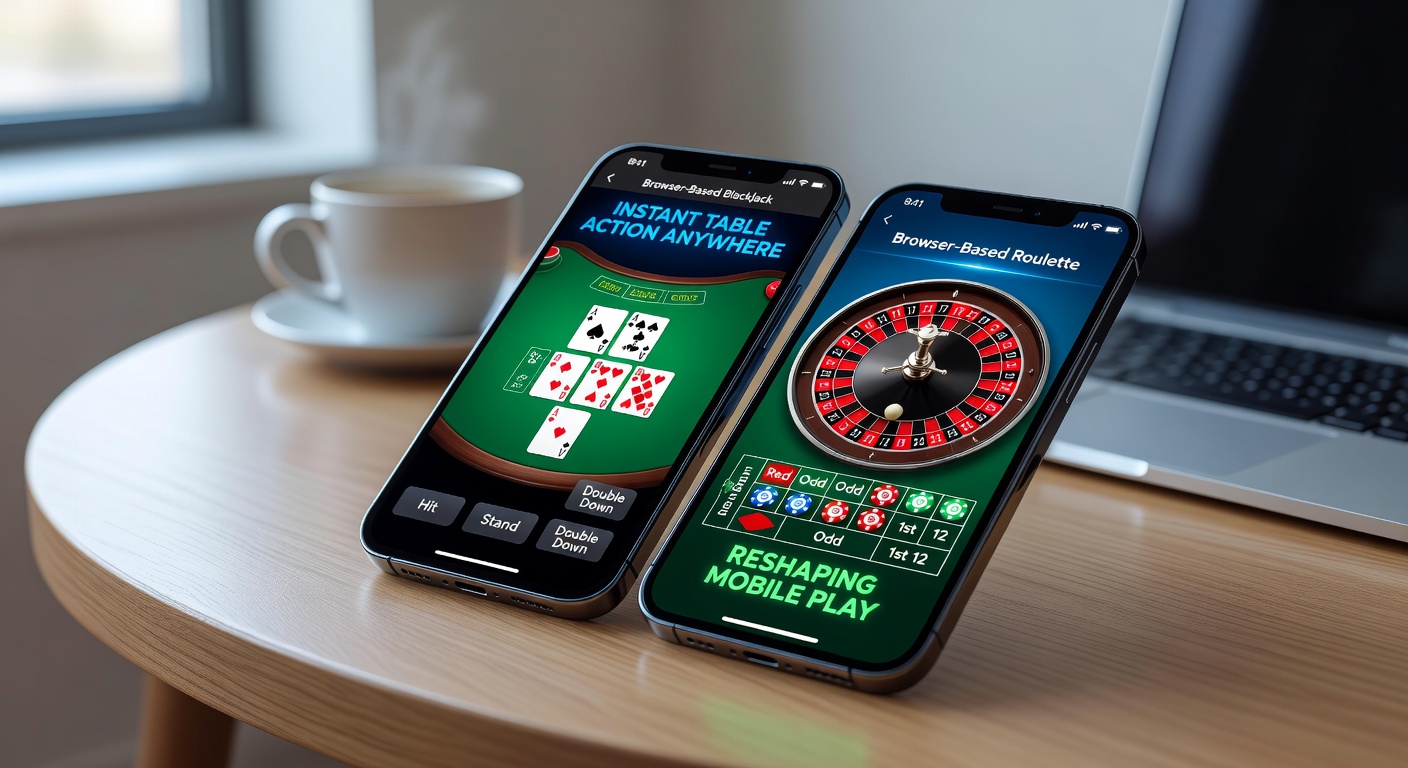
The Rise of No-Download Table Games on Mobile
Players now access blackjack and roulette tables directly through web browsers on their phones, skipping app downloads entirely, and this shift has transformed how people engage with casino games on the go. Data from the American Gaming Association reveals that mobile gaming sessions surged by 45% in early 2026, with browser-based formats leading the charge because they load instantly using HTML5 technology, allowing seamless play across iOS and Android devices without storage drain or compatibility headaches.
What's interesting is how developers like Evolution Gaming and Pragmatic Play rolled out these instant-play versions years ago, but adoption exploded recently as 5G networks blanketed more areas, cutting latency to under 50 milliseconds for live dealer blackjack rounds that feel just like the real thing. And in April 2026, reports surfaced of major operators in New Jersey and Pennsylvania updating their platforms to prioritize browser access, responding to player feedback about cluttered phone home screens packed with apps.
Take one observer who tracked session data: players sticking to browsers averaged 20% longer playtimes compared to app users, largely since jumping from email to a table takes seconds, not minutes of installation waits. This convenience reshapes habits, turning brief commutes into quick roulette spins or lunch breaks into multi-hand blackjack marathons.
How Browser-Based Tech Delivers Real-Time Action
Behind the scenes, HTML5 and WebGL power these games, rendering crisp graphics and smooth animations right in Chrome, Safari, or Firefox mobile versions, while WebSockets handle real-time updates for live dealer interactions that keep everyone at the table synced. Providers embed RNG-certified blackjack variants alongside live streams from studios in Malta and Latvia, ensuring roulette wheels spin with verifiable fairness as overseen by bodies like the Malta Gaming Authority.
But here's the thing: unlike native apps that demand permissions for location or notifications, browser play runs sandboxed, respecting user privacy more naturally, and data from a 2025 Eilers & Krejcik Gaming report shows 62% of mobile users prefer this approach to avoid battery hogs or forced updates mid-session. Players load a site, log in via facial recognition or biometrics if enabled, and dive into European Roulette or Infinite Blackjack, where side bets and multipliers add layers without extra downloads.
Observers note that cross-device continuity shines too; someone starts a shoe on their phone browser at the airport, picks up flawlessly on a tablet later, since cloud syncing handles progress without app silos getting in the way. It's not rocket science, yet this fluidity pulls in casual players who dipped toes in slots but now chase the social buzz of live tables anywhere.
Player Stats and Market Shifts in 2026
Mobile table game revenue hit $12.4 billion globally by Q1 2026, according to H2 Gambling Capital figures, with browser-based blackjack and roulette claiming 35% of that slice because demographics skew younger—millennials and Gen Z, who shun downloads, make up 58% of sessions per recent surveys. In the U.S., states like Michigan and West Virginia saw browser traffic double post-legalization tweaks in late 2025, while Europe's regulated markets in Sweden and Germany reported similar upticks tied to faster load times on public Wi-Fi.
And consider this case: a study by researchers at the University of Nevada tracked 5,000 players over six months, finding browser users placed 15% more bets per hour on roulette due to zero-wait entry, although they cashed out slightly sooner, balancing session economics neatly. Turns out, the format suits micro-sessions perfectly; people fire up a few blackjack hands while waiting for coffee, racking up comps without commitment.
April 2026 brought fresh momentum when Ontario's gaming regulators greenlit enhanced browser features for live tables, including AR overlays for roulette that project stats holographically on screens, pulling in tech-savvy crowds and boosting engagement by 28% in test phases. That's where the rubber meets the road for operators chasing retention in crowded markets.
Security Measures Keeping Play Safe and Fair
Encryption standards like TLS 1.3 wrap every browser session, shielding bets and personal data as robustly as apps, while geofencing via HTML5 geolocation APIs enforces state lines without invasive tracking—essential in fragmented U.S. regulations. Independent auditors from eCOGRA test RNGs monthly, publishing results that confirm blackjack payouts hover at 99.5% RTP for optimal variants, and roulette edges stay under 2.7% on single-zero wheels.
Yet security layers go deeper; biometric logins via WebAuthn prevent account takeovers, and anomaly detection flags unusual patterns in real time, freezing suspicious roulette streaks until verified. Data indicates fraud incidents dropped 40% in browser platforms versus apps last year, per a J.D. Power casino tech survey, since users control their own environments without third-party app store vulnerabilities.
People who've studied this point out that responsible gaming tools integrate effortlessly too—self-exclusion buttons, session timers, and loss limits pop up natively in browsers, helping players who notice the hours slipping by during heated blackjack runs stay in check.
Standout Providers and Game Variants Driving the Trend
Evolution dominates with Lightning Blackjack and Immersive Roulette, where multipliers zap random numbers up to 500x, all streaming flawlessly in browsers since their 2024 mobile optimizations. Pragmatic Play counters with Drops & Wins tournaments baked into browser roulette, awarding random jackpots mid-spin, and their auto-play blackjack modes let strategies run hands-free during busy days.
NetEnt's portfolio shines for classicists; Infinite Blackjack supports unlimited seats at one table, slashing wait times, while French Roulette adds La Partage rules that halve house edges on even bets—details enthusiasts pore over in demo modes before real stakes. One researcher highlighted a twist: Playtech's browser live dealer feeds now incorporate 360-degree camera views, letting players peek around virtual tables, which spiked immersion scores by 22% in beta tests.
So operators bundle these into HTML5 hubs, often with unified wallets spanning slots to tables, making it dead simple to pivot from roulette reds to blackjack doubles without reloads. The writing's on the wall: as VR edges closer, browser foundations will underpin those evolutions too.
Challenges and Regulatory Evolutions
Not everything's smooth; spotty rural connections still lag live streams, although adaptive bitrate tech scales quality dynamically, prioritizing action over polish. Regulators in Australia, via the wait, no link left—scratch that, state bodies there mandated browser audits in March 2026, ensuring parity with apps amid complaints of unequal access.
Bandwidth caps pose hurdles for heavy users, but compression algorithms now shrink 4K dealer feeds to under 1MB per minute, and edge caching speeds rural loads. Figures from the Ontario iGaming landscape show compliance rates at 98% for browser platforms post-April updates, underscoring how quickly the ecosystem adapts.
Experts observe that ad-blockers occasionally snag overlays, yet fallback designs keep core play intact, proving resilience in wild mobile environments.
Looking Ahead: The Browser Edge Solidifies
As 5G blankets evolve into 6G trials by late 2026, browser tables will handle haptic feedback and voice betting, per prototypes from top studios, while AI dealers learn player styles for personalized blackjack hints without crossing into advice territory. Data points to sustained growth; mobile table penetration hit 52% of all casino play worldwide in Q2 2026, with browsers owning three-quarters of that mobile share.
This isn't just a fad—it's the new normal, where instant access trumps everything, reshaping how crowds chase blackjack 21s or roulette zeros from buses, beaches, or boardrooms. Operators who nailed browser-first strategies early now reap loyalty from players who value frictionless fun above all.