Observer Accounts Reveal How Evaluation Criteria Steer Incentive Timing Across Wireless Slot and Dealer Formats
Casey Krüger · Jun 25, 2026
Observer Accounts Reveal How Evaluation Criteria Steer Incentive Timing Across Wireless Slot and Dealer Formats
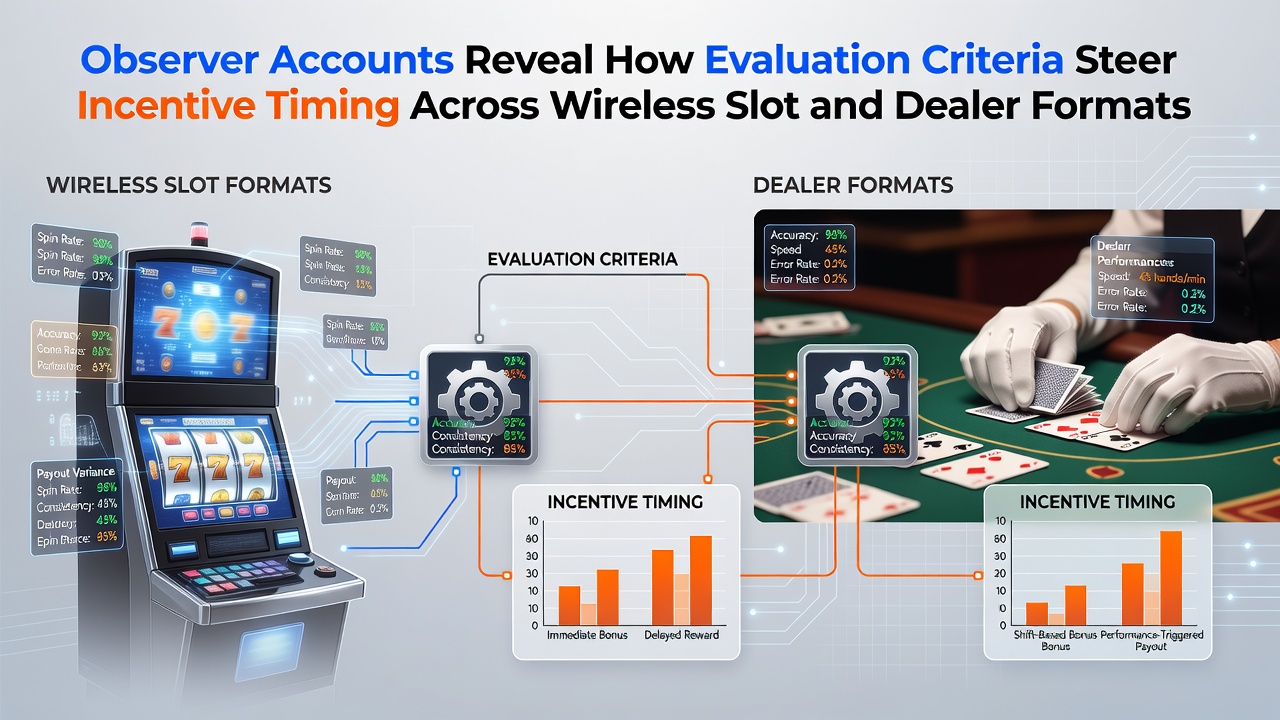
Observer accounts from multiple gaming jurisdictions document how specific evaluation criteria determine the precise moments when incentives activate in wireless slot environments and live dealer formats, with data collected through platform analytics showing consistent patterns across operator systems.
Research from industry monitoring groups indicates that metrics such as average session duration, wager frequency, and deposit velocity serve as primary triggers, while these factors interact with platform algorithms to release bonuses at calculated intervals rather than fixed schedules.
Criteria Application in Wireless Slot Systems
Wireless slot platforms rely on real-time tracking of player behavior metrics, and evaluation frameworks prioritize elements like spin velocity alongside total handle per session to determine incentive release points; reports compiled through 2025 and into June 2026 reveal that operators adjust timing windows based on these inputs to align rewards with peak engagement periods.
Figures from aggregated operator data demonstrate that sessions exceeding 45 minutes often receive earlier incentive drops compared to shorter interactions, yet this timing shifts when wager patterns show consistent escalation over multiple rounds.
Live Dealer Format Dynamics
Live dealer environments apply parallel yet distinct criteria, where observers note that table activity duration combines with bet spread analysis to steer when promotional credits appear during ongoing rounds; this approach differs from slot systems because dealer interactions introduce variable pacing that algorithms must account for when scheduling rewards.
Data collected across North American and European operators shows incentive timing in these formats frequently coincides with dealer changeovers or round completions, creating opportunities that evaluation systems identify through continuous monitoring of participation rates.
Cross-Format Comparisons and Timing Shifts
Comparative analyses compiled by research institutions highlight how wireless slot incentives tend to activate after threshold achievements in spin counts, whereas dealer formats often tie releases to cumulative table time or specific outcome sequences, and these differences persist even as both categories incorporate mobile delivery mechanisms.
What's interesting is the way June 2026 updates to several platforms introduced refined weighting for deposit velocity in both categories, resulting in documented changes where incentives appeared earlier in sessions that met updated velocity benchmarks.
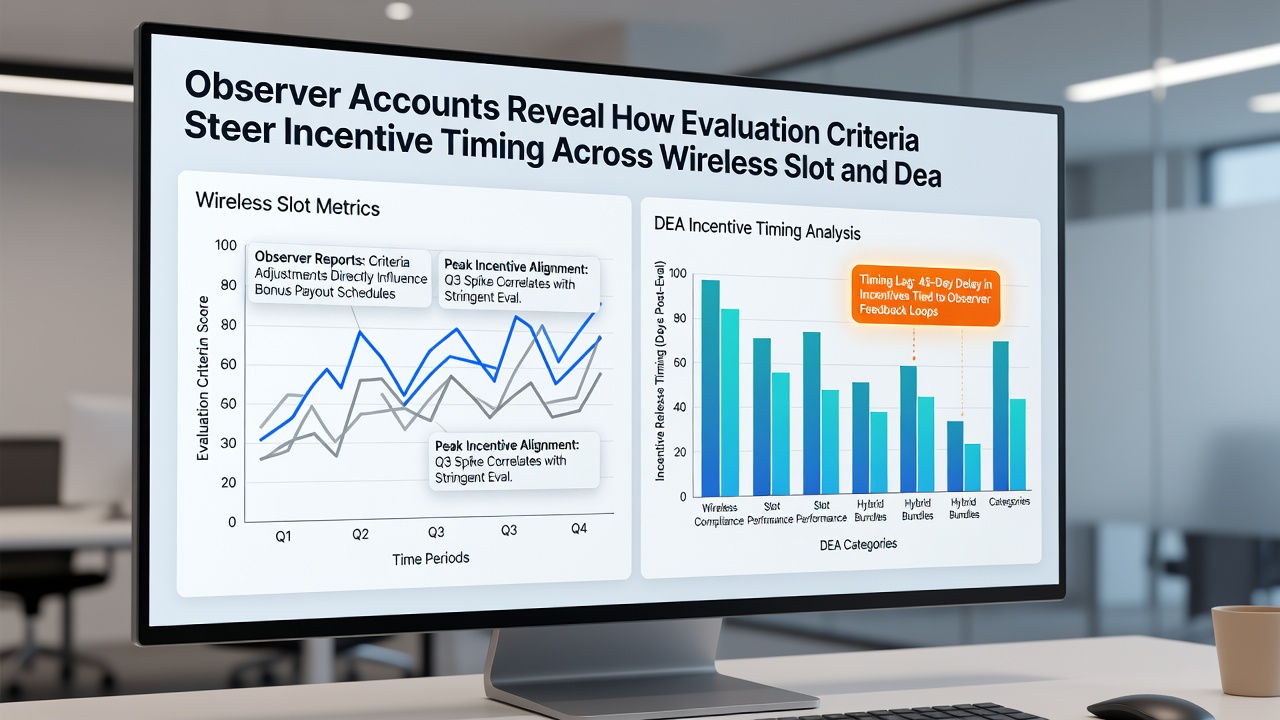
According to reports issued by the American Gaming Association, evaluation criteria have evolved to include cross-session tracking that spans multiple logins, allowing operators to stagger incentive timing across days rather than within single engagements.
Regional Variations in Implementation
Implementation details vary by jurisdiction, with North American operators emphasizing wager frequency thresholds while counterparts in Asia-Pacific regions place greater weight on total handle metrics; observers from regulatory bodies in both areas confirm that these regional preferences produce measurable differences in when incentives reach players using wireless connections.
University-led studies from institutions tracking digital gaming trends further indicate that dealer formats in regulated markets show tighter correlation between evaluation scores and incentive delivery windows compared to slot environments, where random number generator outputs add an additional layer of variability to timing decisions.
Impact on Player Session Patterns
Session data aggregated through platform reporting tools reveals that incentive timing steered by these criteria correlates with extended play periods in both formats, although the strength of that correlation differs when comparing slot versus dealer environments; analysts attribute the variation to the structured nature of dealer interactions versus the autonomous pacing of slots.
By June 2026, several major platforms had incorporated machine learning refinements to their evaluation models, enabling more granular adjustments to incentive schedules based on individual player histories rather than aggregate group data.
Conclusion
Observer documentation across wireless slot and dealer formats continues to illustrate how evaluation criteria function as steering mechanisms for incentive timing, with measurable outcomes tied to specific behavioral metrics tracked in real time. These patterns remain consistent within documented operator practices while regional and format-specific differences persist across the industry landscape.