Shifting Bonus Structures Reshaping Engagement in Remote Wheel and Card Formats
Harper Powell · May 23, 2026
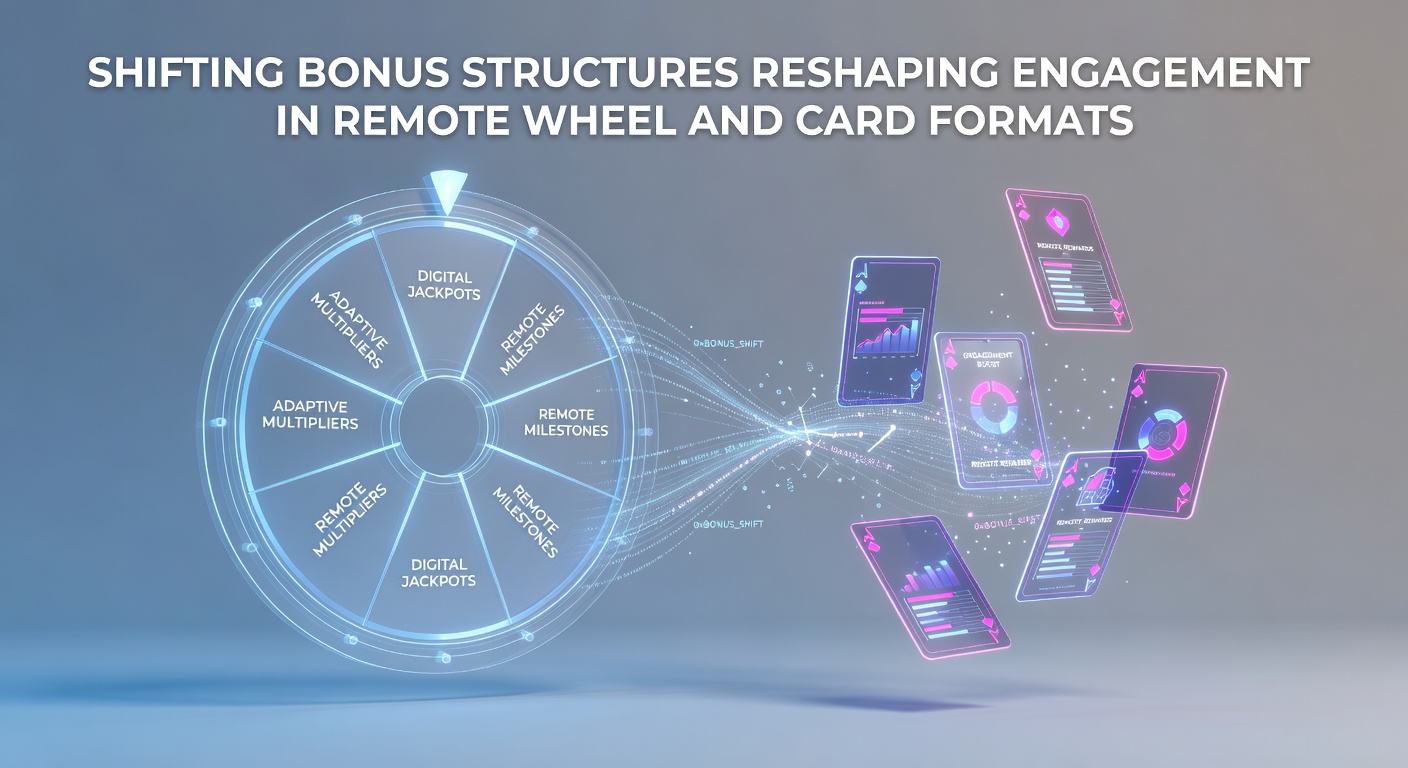
Shifting Bonus Structures Reshaping Engagement in Remote Wheel and Card Formats
Remote wheel and card formats continue to evolve as operators adjust bonus structures to maintain player activity across digital platforms, and data from industry reports indicate measurable shifts in how participants interact with roulette and blackjack environments throughout 2026.
Operators have moved away from uniform deposit-match offers toward segmented reward systems that scale with individual play patterns, according to figures released by the American Gaming Association in early May 2026. These adjustments include cashback percentages that rise with volume, risk-free spin allocations tied to specific wheel segments, and point multipliers applied exclusively during card rounds.
Changes in Reward Delivery Methods
Traditional flat-rate bonuses have given way to progressive tiers that unlock additional benefits after set thresholds, while players in remote formats now encounter offers that reset weekly based on tracked session data. Research from the Canadian Gaming Association shows participation rates in blackjack rooms increased by 18 percent when operators introduced daily streak multipliers rather than one-time sign-up packages.
Wheel formats have seen parallel developments, with bonus chips allocated according to color or number groupings instead of blanket credits, and this granular approach allows platforms to direct incentives toward less popular betting options without altering core game mechanics.
Player Retention Metrics Across Platforms
Figures compiled by the Australian Gambling Research Centre reveal that remote card sessions lasting over 45 minutes rose notably after the introduction of loyalty ladders that award free hands at progressive intervals. Retention data collected through May 2026 further indicates that users receiving personalized wheel bonuses returned at rates 22 percent higher than those given standard promotions.
These patterns emerge because segmented structures align rewards more closely with actual betting behavior, and operators track metrics such as average bet size alongside frequency to calibrate offers in real time.

Regulatory and Platform Adaptations
European regulatory bodies, including those overseeing multi-state licensing agreements, have noted that transparent bonus terms reduce dispute volumes, and several platforms updated their disclosure interfaces in spring 2026 to highlight wager requirements attached to wheel-specific rewards. Data from the European Gaming and Betting Association points to a 14 percent drop in support tickets when bonus structures displayed clear expiration timelines alongside playthrough conditions.
Technical integrations now embed bonus tracking directly into game clients, allowing real-time balance updates that reflect both card and wheel activity without requiring players to navigate separate menus.
Comparative Impact on Game Variants
Blackjack variants incorporating side-bet bonuses have recorded higher engagement levels than standard tables, while roulette formats offering neighborhood multipliers attract sustained betting on outer wheel positions. Observers note that these targeted incentives distribute play across more outcomes rather than concentrating activity on high-frequency options.
Studies conducted by independent research groups in Asia-Pacific markets show similar trends, with remote card rooms reporting extended session lengths when bonuses reset automatically upon reaching defined hand totals or spin counts.
Conclusion
Shifting bonus structures continue to influence how participants engage with remote wheel and card formats as operators refine reward systems based on behavioral data collected through mid-2026. Platforms that implement tiered, game-specific incentives demonstrate measurable differences in session duration and return frequency according to multiple regional reports, and these developments reflect ongoing adjustments within the broader remote gaming sector.