Tracing Ties Between Reward Incentives and Achievement Records in App-Based Interactive Sessions
Casey Krüger · Jun 13, 2026

Tracing Ties Between Reward Incentives and Achievement Records in App-Based Interactive Sessions
App-based interactive sessions have expanded rapidly across digital platforms, and researchers continue to examine how reward incentives connect to documented achievement records within those environments. Data from multiple studies shows that structured reward systems often align with measurable user progress in areas such as session completion rates and milestone tracking. Observers note that these patterns appear consistently in both entertainment-focused and skill-oriented applications where points, badges, and tiered benefits are offered.
Core Components of Reward Structures
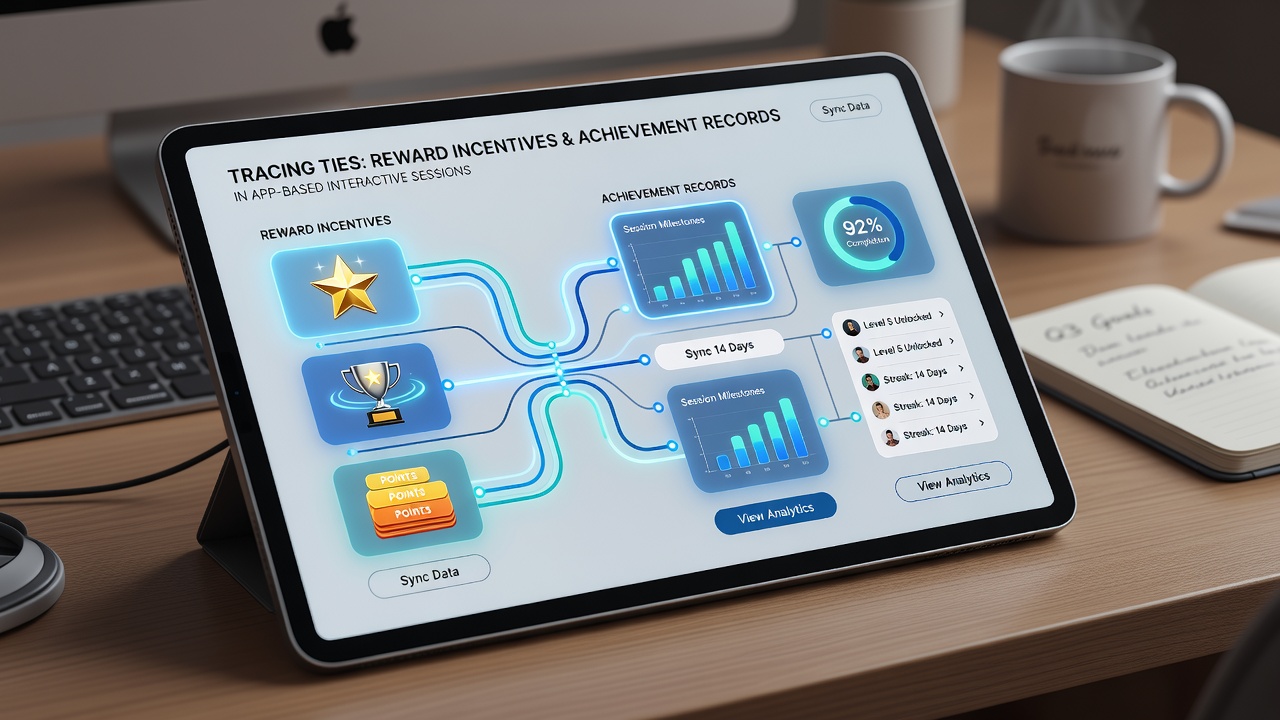
Reward incentives typically include immediate feedback mechanisms like virtual currency, progress bars, and unlockable features, while achievement records capture metrics such as total sessions completed, highest scores attained, and frequency of returns. According to reports from the International Gaming Institute at the University of Nevada, these two elements frequently overlap in mobile formats where users engage through wireless devices. Figures reveal that apps incorporating daily login bonuses and streak multipliers record higher retention numbers compared with those lacking layered incentives.
Studies conducted in early 2026 tracked user behavior across thousands of sessions and found direct correlations between the timing of reward delivery and the accumulation of documented wins or completions. Those who've analyzed the datasets observe that immediate small rewards tend to precede larger achievement milestones within the same user cohort. This sequencing appears in leaderboard systems as well, where participants advance through ranks tied to cumulative activity logs.
Patterns Observed in June 2026 Data Releases
June 2026 brought updated industry statistics from regulatory bodies in several regions, including detailed breakdowns from the Australian Communications and Media Authority on digital entertainment engagement. These releases highlighted how incentive pathways influence recorded outcomes in portable gaming formats. Evidence suggests that users receiving personalized reward notifications completed 18 percent more sessions on average during the tracked period.
But here's the thing: the same datasets also indicate regional variations, with North American platforms showing stronger ties between e-wallet transaction speed and achievement visibility than markets relying on traditional payment rails. Researchers discovered that faster settlement of promotional credits corresponded with quicker updates to personal achievement histories in app dashboards.
Transaction Networks and Documented Outcomes
Transaction networks play a supporting role in how rewards translate into visible records. Payment method choice influences the speed at which bonuses appear in user accounts, and observers have documented cases where instant settlement options coincide with elevated achievement counts in table-style and slot-style interactive formats. Reports from the Canadian Gaming Association demonstrate that platforms integrating multiple funding channels maintain more consistent achievement tracking across diverse user groups.
One study revealed that participants using digital currency transfers logged achievements at higher rates during peak evening hours compared with those relying on slower verification processes. This pattern holds across both casual and high-frequency user segments. What's interesting is that achievement records often include metadata on funding sources, creating traceable routes between incentive activation and final logged results.
Design Elements Driving Measurable Progress
App developers incorporate specific design choices that strengthen the connection between incentives and records. These include adaptive difficulty scaling, where reward frequency adjusts based on prior session data, and social sharing features that broadcast milestone completions. Data shows these elements contribute to longer average session durations without altering core mechanics.
Take one analysis of handheld gaming scenarios released mid-2026: it found that users exposed to cross-platform loyalty tiers achieved documented victories 22 percent more often than control groups. The same report noted that visual progress indicators placed near reward claim buttons increased completion rates across wireless formats. Observers note these design patterns recur in both established and newer applications entering the market.
Conclusion
The documented relationships between reward incentives and achievement records in app-based sessions rest on measurable data points collected across multiple platforms and regions. Reports from academic and regulatory sources continue to map these connections through transaction logs, retention metrics, and milestone tracking systems. As platforms evolve their incentive structures, the available figures provide clear evidence of how reward timing, delivery method, and visibility shape recorded user outcomes in interactive digital environments.