U.S. Treasury Targets Cartel del Noreste's Casinos and Key Operatives with Fresh Sanctions Near Laredo
Elena Krause · Apr 16, 2026

U.S. Treasury Targets Cartel del Noreste's Casinos and Key Operatives with Fresh Sanctions Near Laredo
The Sanctions Announcement Shakes Up Border Operations
On April 14, 2026, the U.S. Treasury's Office of Foreign Assets Control (OFAC) dropped a major blow against the Cartel del Noreste (CDN), sanctioning three individuals and several casinos tied to the group's money-laundering schemes, cash smuggling, and drug trafficking right across from Laredo, Texas. Eduardo Javier Islas Valdez, Juan Pablo Penilla Rodriguez, and Jesus Reymundo Ramos Vazquez now face blocked assets and frozen dealings in the U.S., while Casino Centenario in Nuevo Laredo, Tamaulipas, along with CAMSA and Diamante Casino in Tampico, Tamaulipas, and a linked gambling website, all landed on the sanctions list too. Investigators from Homeland Security Task Force offices and the Drug Enforcement Administration (DEA) pieced together the evidence, revealing how these spots funneled dirty money and stored drugs, turning what looked like everyday gambling dens into cartel hubs.
What's interesting here is the proximity; these locations sit just over the border, making Laredo a hotspot where CDN operatives allegedly moved fentanyl, cocaine, and cash loads back and forth, exploiting the gambling industry's cash-heavy flow to wash billions through bets and payouts. Reports indicate Casino Centenario didn't just host games, but served as a stash house for fentanyl and cocaine, a money-laundering venue where cartel cash got blended into legitimate winnings, and even a grim site for torturing rivals who crossed CDN's path. And while the sanctions hit hard, they build on ongoing efforts to choke off the financial lifelines that keep cartels running strong.
Spotlight on the Individuals: CDN's Border Enforcers
Eduardo Javier Islas Valdez emerges as a central figure in these operations, with evidence showing he coordinated cash smuggling runs across the Laredo area, directing teams that hauled cartel proceeds hidden in vehicles or disguised shipments. Juan Pablo Penilla Rodriguez handled the casino side, overseeing money drops at places like Casino Centenario, where he'd supervise the conversion of drug dollars into clean funds through high-stakes play and payouts that raised no immediate flags. Jesus Reymundo Ramos Vazquez rounded out the trio, managing logistics for drug storage and enemy interrogations at the Nuevo Laredo site, ensuring CDN's grip stayed tight amid rival pressures.
Those who've tracked CDN know these guys aren't small-time; they operated as key mid-level operatives, bridging the cartel's drug suppliers in Mexico with U.S. distribution networks, all while using casinos to launder profits that funded more fentanyl labs and smuggling routes. Sanctions now bar any U.S. person or entity from dealing with them, freezing whatever assets they hold stateside and alerting banks worldwide to flag transactions, which turns the heat up considerably on their day-to-day movements.
But here's the thing: OFAC's move doesn't stop at names; it extends to networks, meaning anyone transacting with these three risks secondary sanctions, a deterrent that's frozen millions in cartel funds before in similar border crackdowns.
Casinos Turned Cartel Strongholds: Inside the Operations
Casino Centenario in Nuevo Laredo stands out most starkly, described in investigations as a multi-purpose nerve center where CDN stashed fentanyl and cocaine shipments awaiting U.S. crossings, laundered cash via slot machines and table games that processed huge volumes without much scrutiny, and carried out brutal tortures on enemies to extract info or send messages. CAMSA and Diamante Casino in Tampico played supporting roles, handling overflow money drops and providing alternate venues when Nuevo Laredo heat got too intense, while the unnamed gambling website facilitated online bets that mirrored the physical laundering, pulling in remote players to legitimize digital transfers.
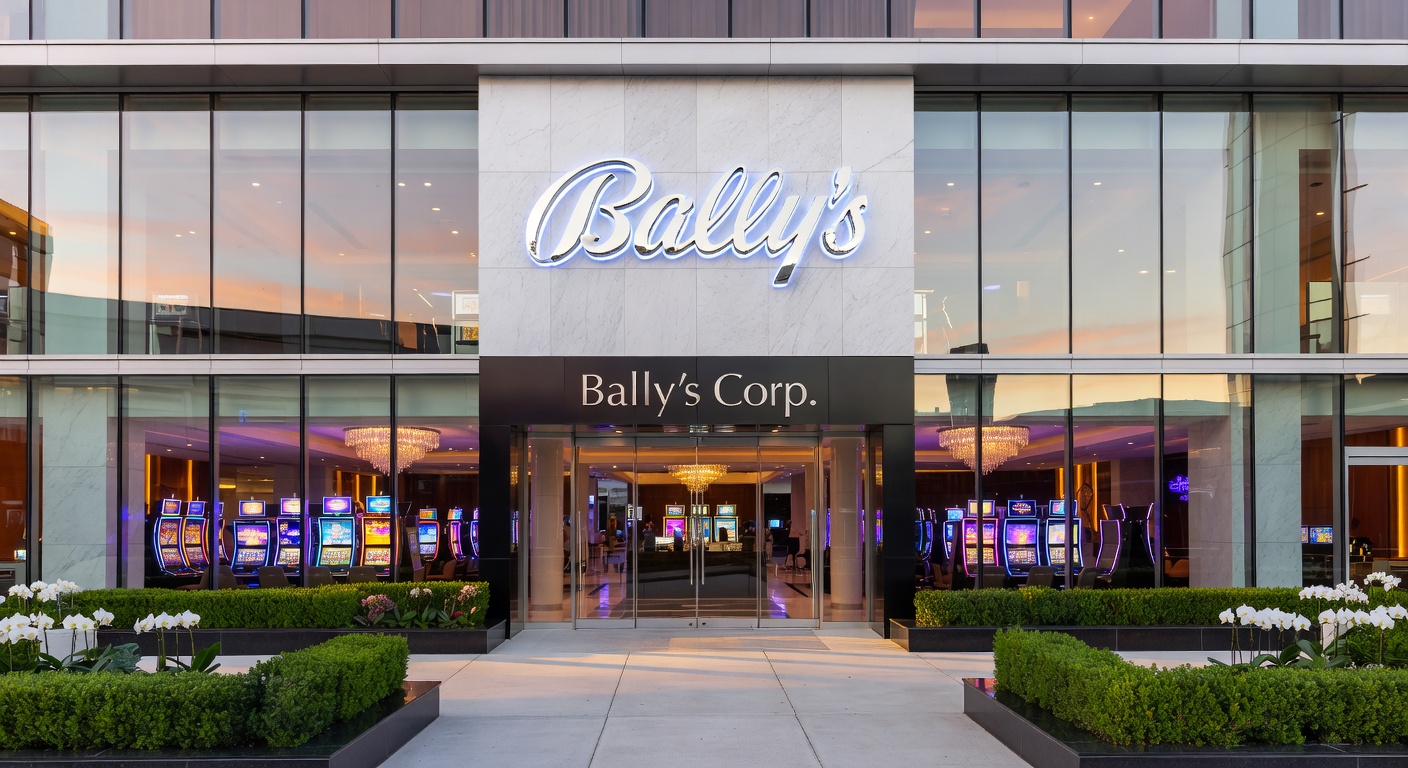
Turns out, casinos like these thrive on cash anonymity; gamblers pay in bills, win chips, cash out clean money, creating perfect cover for CDN to cycle drug profits without traceable wires. According to local reports, Homeland Security and DEA agents uncovered ledgers, surveillance footage, and witness accounts linking these spots directly to cartel bosses, painting a picture of gaming floors doubling as drop points late at night. People familiar with the border scene note how such venues evade Mexican oversight, operating in gray zones where bribes keep regulators at bay, although U.S. sanctions now pressure Mexico to act too.
One case highlighted in the probe showed couriers unloading duffel bags of cash at Casino Centenario's back rooms, converting it through rigged games before smuggling the "winnings" back north; that's where the rubber meets the road for CDN's billion-dollar fentanyl trade fueling U.S. streets.
Cartel del Noreste: The Fentanyl Pipeline Powerhouse
CDN, a splinter from the infamous Zetas cartel, dominates Tamaulipas routes into Laredo, specializing in fentanyl precursors smuggled from Asia via Mexico, then pressed into pills and pushed across in tractor-trailers or pedestrian tunnels. These sanctions target their financial backbone, disrupting the cash that buys labs, bribes officials, and arms enforcers, with casinos providing that crucial wash cycle amid rising U.S. seizures of over 20,000 pounds of fentanyl yearly near the border.
Investigators found CDN used these sites not just for money, but coordination; operatives met amid slot din to plan hits, shipments, and rival takedowns, making the sanctions a direct hit on operational hubs. And since Laredo handles massive truck traffic daily, the proximity amps up risks for any overlooked cartel cash flow.
Behind the Scenes: Joint Probes Fuel the Action
Homeland Security Investigations (HSI) task forces and DEA field offices led the charge, sifting through wiretaps, undercover buys, and financial traces that tied the casinos to CDN ledgers; one sting reportedly caught a money mule cashing out $500,000 in a single night at Diamante, with plates leading back to Valdez. So while Mexico's government wrestles its own anti-cartel pushes, U.S. sanctions provide leverage, freezing cross-border assets and pressuring local authorities to shutter the sites.
Experts who've studied these patterns observe how OFAC lists compound seizures; banks auto-freeze matches, businesses cut ties fast, leaving sanctioned parties scrambling for black-market funding. Now, with April 2026's announcement, Laredo border agents ramp up scans, knowing CDN scrambles to reroute.
What Comes Next: Ripple Effects Across the Border
Sanctions block all U.S. property interests in these targets, prohibit transactions, and invite tips on hidden assets, creating a chilling effect where even associates pull back to avoid the list. Casinos face shutdowns as vendors flee, websites go dark under hosting pressures, and the trio dodges extradition shadows while their networks fracture. It's noteworthy that past OFAC hits on Gulf Cartel casinos led to arrests within months, suggesting similar timelines here.
Those monitoring the beat point out how this fits escalating U.S.-Mexico fentanyl fights, with Treasury coordinating alongside ICE and CBP to seal leaks. Yet CDN adapts quick, shifting to virtual bets or new dens, although the financial squeeze bites deep over time.
Wrapping Up the Border Sanctions Saga
April 14, 2026, marks a pivotal clampdown as OFAC's sanctions on Casino Centenario, its Tampico counterparts, the gambling site, and CDN operatives Valdez, Rodriguez, and Vazquez expose the dark underbelly of border gambling tied to drug empires. By starving cash flows and stash ops near Laredo, these measures signal sustained pressure, with joint U.S. probes ensuring cartels feel the pinch long-term; the ball's now in enforcement's court to capitalize, disrupting CDN's fentanyl grip one frozen asset at a time.